

- This event has passed.
Recovering Histories of Indigenous Presence in Kwinitekw (Connecticut River Valley), with Dr. Marge Bruchac
May 28 @ 5:30 PM – 7:30 PM
For many millennia, Native people lived along the Kwinitekw (Connecticut River) in western Massachusetts, sustained by local flora and fauna and supported by reciprocal trade and diplomacy with their Native neighbors. During the 1600s, Native leaders in Agawam (now Springfield), Woronoco (now Westfield), Nonotuck (now Northampton and Hadley) and Pocumtuck (now Deerfield and Greenfield) invited English colonists to establish trading posts and small settlements. Sachems like Chickwalloppe, Mashalisk, and Umpanchela negotiated diplomatic and trade relations with English colonial settlers and attempted to preserve, in written deeds, Indigenous rights to hunt, fish, gather, plant, and live here in perpetuity. During the late 1600s and into the 1700s, colonial conflict and warfare violated these agreements and fractured these relations. This talk offers glimpses into colonial relations, while also reflecting on the lives of Native families who remained highly visible – literally “hiding in plain sight” – in the aftermath of warfare and displacement, utilizing long-standing Indigenous skills, kinship networks, and ecological knowledges to make a comfortable living, while supplying their white neighbors with medicinal, material, and practical assistance.
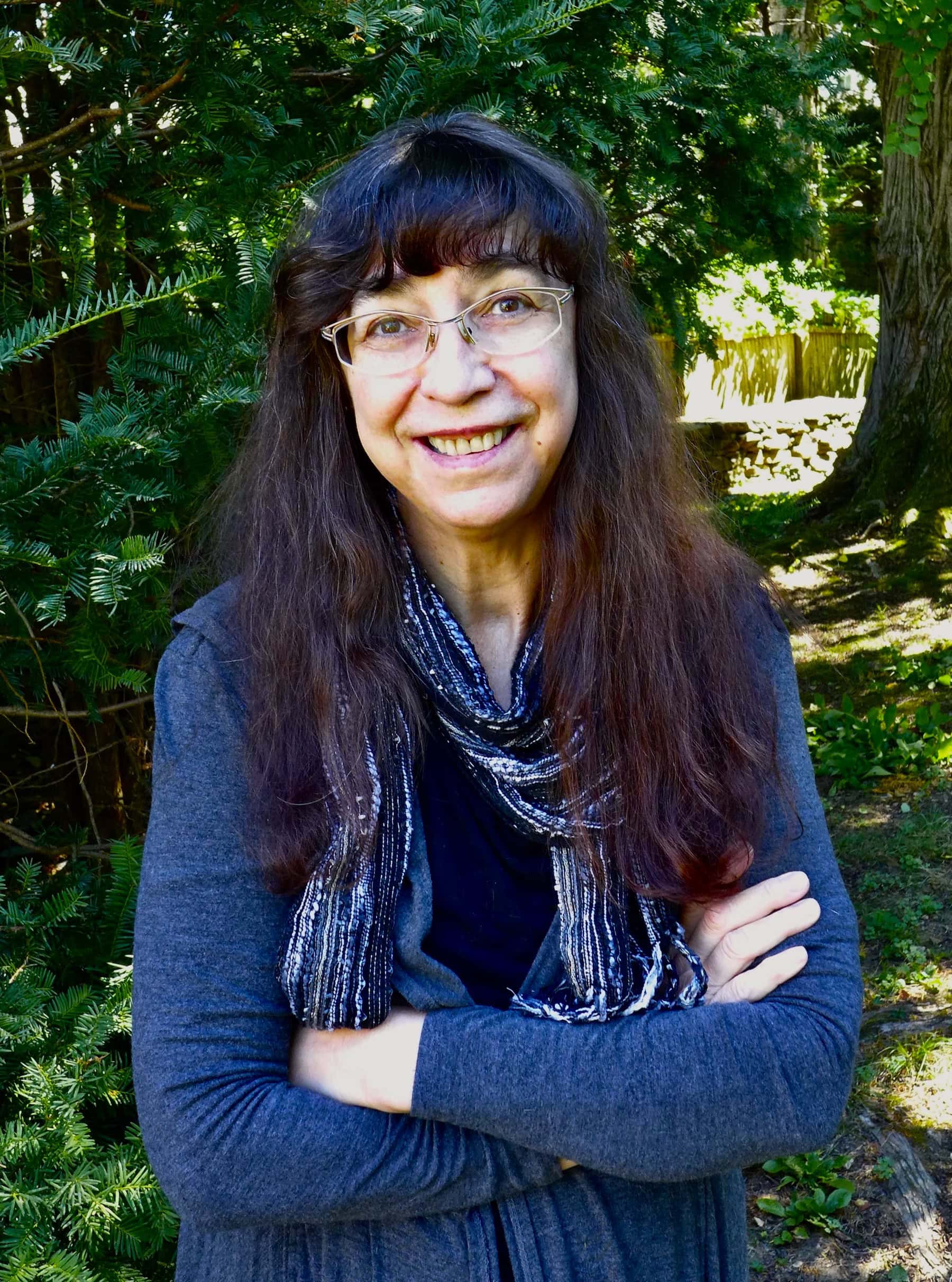
Dr. Margaret M. Bruchac (Nulhegan Abenaki) – in her multi-modal career as a performer, ethnographer, historian, and museum consultant – has long been committed to critical analyses of colonial histories and recoveries of Indigenous histories and cultural heritage. She holds a BA in Theater and History from Smith College, and a PhD from the University of Massachusetts Amherst. At the University of Pennsylvania, Dr. Bruchac is Professor Emerita of Anthropology, founder of the Native American and Indigenous Studies Initiative at Penn, consultant to the American Section of the Penn Museum, and former Associate Faculty in the Penn Cultural Heritage Center. Bruchac directs “The Wampum Trail,” a restorative research project designed to reconnect wampum belts and other cultural heritage objects in museum collections with their related Indigenous communities. She has long served as a consultant to New England museums, including Historic Northampton, Historic Deerfield, the Pocumtuck Valley Memorial Association, and Old Sturbridge Village. Her 2018 book – Savage Kin: Indigenous Informants and American Anthropologists (University of Arizona Press) – was the winner of the inaugural Council for Museum Anthropology Book Award.
Sponsored by the Holyoke History Room. Made possible by a grant from the Holyoke Local Cultural Council, a local agency, and funded by the Massachusetts Cultural Council, a state agency.
Background image: Illustration by Francis Back for Raid on Deerfield website, Pocumtuck Valley Memorial Association, 2004.